

About Us
Our history
Virtual Connections began with a Michigan Health Endowment Fund grant to MSU’s School of Social Work to support digital literacy and telehealth awareness among isolated, low-income older adults receiving home-delivered meals in Otsego County. Working with the Otsego County Commission on Aging, volunteer coaches delivered tablets and in-person coaching; 20 of 25 participants completed the program. A second grant shifted the focus to smartphones, and the latest grant supports coaching in six Michigan counties through agency partnerships.
-
More about our history
The year was 2020. Throughout the United States and around the world normal channels of communication and contact were stopped cold by the Covid-19 pandemic. Among families and professionals, a huge concern was the negative impact of isolation and loneliness on older adults significantly impacted by lockdowns and social distance requirements.
During that year a team of faculty and students in the School of Social Work at Michigan State University developed an idea – the Virtual Table project – to provide coaching to older adults in the use of technology so that they would be better able to connect with both people – their family and friends – and information from health and welfare sources. As a partner in delivering the idea we selected the Otsego County Commission on Aging (OCCOA) because of previous work together related to older adults and technology. The idea was submitted as a proposal to the Michigan Health Endowment Fund, a state health foundation, and approved for funding as a pilot project beginning January 1, 2021, while the pandemic was still impacting contact with families and the availability of health services.
The Virtual Table pilot was designed to reach recipients of home-delivered-meal services (often referred to as Meals on Wheels). These participants were generally low income, largely living alone, potentially technology hesitant, and homebound. The idea was that trusted home-delivered meal (HDM) drivers, the people seen most frequently, could help recruit them to a program that would teach them about technology. Funding enabled us to provide each participant with a tablet computer and six months of cellular service. They received weekly one-hour coaching from trained volunteers for six to eight weeks on core digital technology content, followed by five to six weeks on telehealth basics.
In the pilot project 25 participants were recruited, and 20 (80%) finished. Among those who completed the program, the number of different technologies and frequency of technology use were significantly higher after the core digital technology training, and these results were sustained at the end of the program. The frequency of video call use significantly increased, especially for talking with family and friends.
These results encouraged the team to continue our digital literacy work but focus on smartphones as the device most older adults are likely to have already but need to learn to use more effectively and safely. The Health Fund approved a proposal to revise program resources and later approved the current project that has been delivering smartphone coaching and telehealth awareness in six counties in Michigan in collaboration with four community partners.
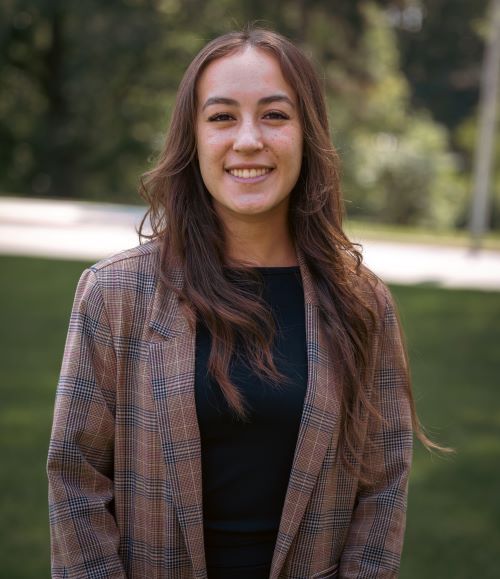
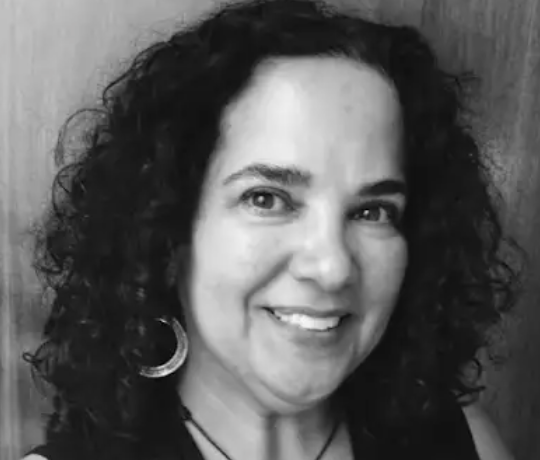
Our Team



Our Partners
We collaborate with community agencies and groups that use and adapt our resources. This list will grow as more partners adopt Virtual Connections tools.
- Antrim County Commission on Aging
- Otsego County Commission on Aging (OCCOA)
- Prime Time Senior Programs
- Tri-County Office on Aging (TCOA)