


Living in a community perceived as affluent does not mean every household can afford enough food. For residents struggling to make ends meet, that perception can make it harder to get help.
In southeast Michigan, CARES of Farmington Hills—a non-profit organization that provides comprehensive support and resources to individuals and families facing financial hardship or food insecurity—is working with Michigan State University’s School of Social Work to better understand those needs and the barriers keeping residents from accessing support.
MSU faculty researcher Sacha Klein and doctoral student Kevin Yu are examining economic hardship and participation in food assistance programs across the communities CARES serves. Their work is helping the nonprofit document needs that can be overlooked.
The research is sponsored by CARES and the Lineage Foundation for Good.
The partnership began with a concern from CARES: Its food pantry was serving families facing financial difficulties, but the organization encountered skepticism about the extent of need in suburban communities.
“So that was kind of the goal, was to establish using research that there is that level of need in those communities,” Yu said.
Finding the need behind the perception

The researchers examined census data covering 201 census tracts representing neighborhoods across eight communities served by CARES. They created maps showing where residents met income criteria for the Supplemental Nutrition Assistance Program, or SNAP, and examined participation in the program.
Across those eight suburban cities and townships, 91% of the neighborhoods studied had at least 200 families whose incomes met the criteria for SNAP.
Their preliminary analysis identified substantial numbers of residents meeting those income criteria, including families with children and older adults. In many of the neighborhoods studied, those numbers had grown over time, Klein said.
But income eligibility did not necessarily translate into receiving assistance.
“While there are large numbers of income-eligible residents and families in these communities, the rate of participation in SNAP is actually pretty low,” Klein said.
That gap raised another question: What was preventing people from getting help?
“The system that we have set up may not work for everyone,” Yu said.
Understanding what keeps people from seeking help
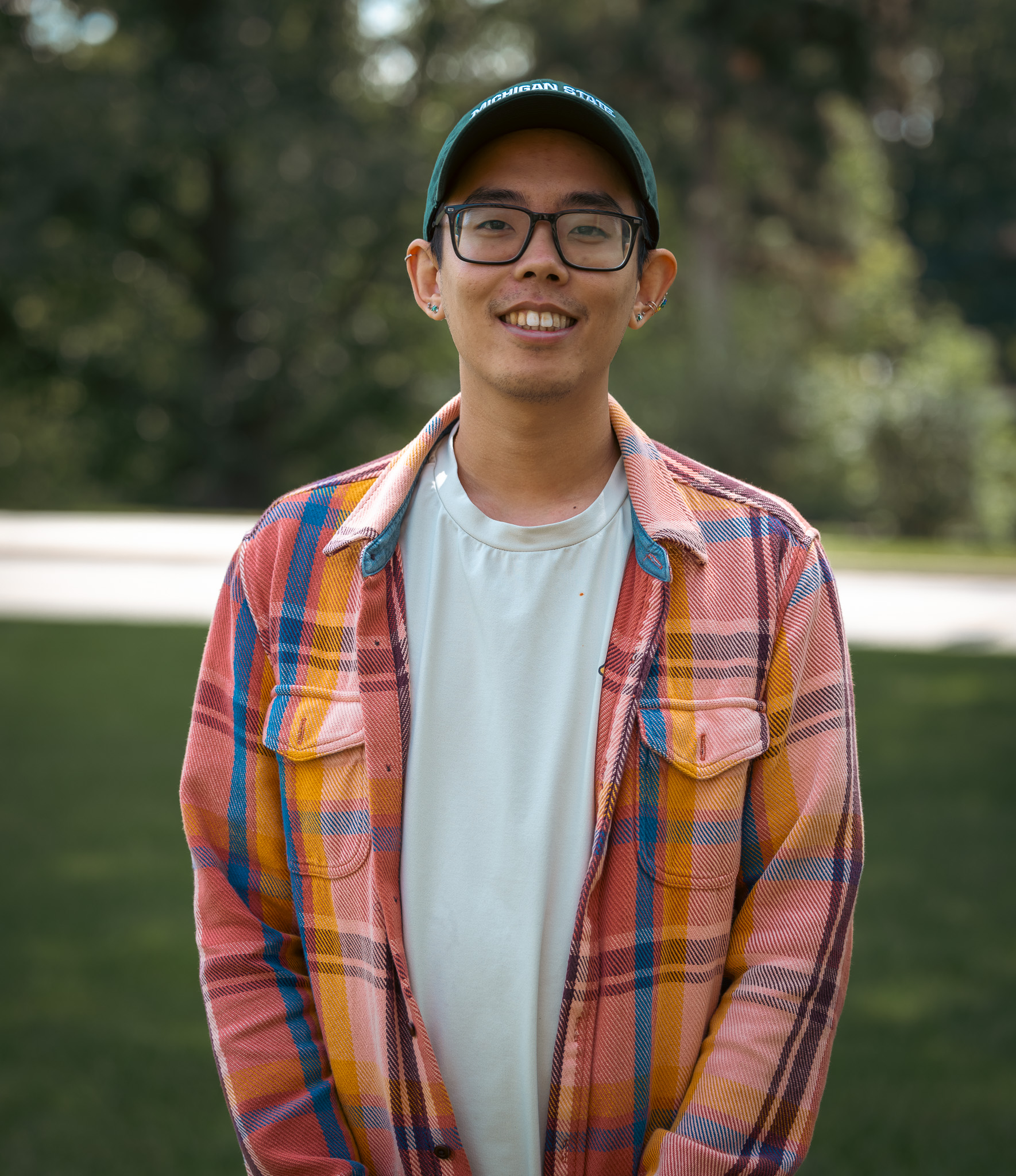
The team interviewed government officials and service providers working to address suburban food insecurity. Harley Dutcher of Lineage helped collect data for those interviews.
Those interviews explored what organizations were seeing in their communities.
One recurring concern was stigma. Yu said interviewees described residents feeling ashamed to seek assistance or worrying about how others would view them.
Other barriers may be less visible.
Klein pointed to transportation difficulties and gaps in the networks that help people learn about and access services.
For a parent traveling with children or an older adult carrying groceries, reaching a food pantry can be difficult without reliable transportation. Residents unfamiliar with assistance programs may also lack someone who can explain where to start.
Understanding those circumstances matters because identifying need is only part of the work. Helping residents access support requires knowing what stands in their way.
Putting the findings to work
For CARES, the maps provide a practical way to show potential supporters where needs exist. The interviews add context that numbers alone cannot provide, helping identify opportunities for outreach and assistance.
“We wanted to give them tools right away for talking to funders,” Klein said.
The research is ongoing. The next phase will examine household-level patterns and changes over time. Klein also hopes to explore whether growing need reflects lower-income residents moving into suburban communities, longtime residents experiencing new financial hardship, or both.
The preliminary findings do not yet answer those questions. But CARES does not have to wait for every answer to explain why residents need support.
“Whether they’re new to those communities or have been there all along,” Klein said, “they just still need to make the case to their funders that they’re there.”
For Yu, the work also offers a reminder to social workers: Making a service available is not the same as making it accessible.
“We shouldn’t just assume that they know what SNAP is, or even if they know that they would want to apply for it,” he said.